
Packera aurea
Blooming Time
Exposure

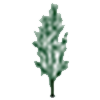


A fantastic native groundcover, Golden Groundsel emerges early with robust clumps of lush, green, heart-shaped leaves. Soon, bright golden-yellow, daisy-shaped flowers bloom above the foliage on delicate stems, appearing in May and lasting for about three weeks. A hardworking native, Packera aurea thrives in sun or shade, provides valuable food for pollinators, tolerates moist conditions, and is deer- and rabbit-resistant. Its dense, ground-covering foliage makes it an excellent low-maintenance option for naturalizing or controlling erosion in boggy lowlands and along stream banks and shady slopes.
Details
Hardiness Zone:
Blossom Color:
Yellow to Chartreuse
Growth Habit:
Clump Forming
Max Height:
1½'
Texture:
Recommended Spacing:
We sell this plant in these containers:
Special Characteristics







Features
Bright golden-yellow, daisy-shaped flowers bloom above robust clumps of lush, green, heart-shaped leaves.
Landscape Value
Dense, ground-covering foliage makes it an excellent low-maintenance option for naturalizing or controlling erosion in boggy lowlands and along stream banks and shady slopes.
Care
Watering:
Golden Groundsel requires a fair amount of supplemental watering and often requires watering on a regular basis during the growing season.
Fertilizing:
Golden Groundsel is a moderate feeder, benefiting from a couple of annual applications of slow release fertilizer. A spring application of a 3-1-2 ratio (such as a 15-5-10) can be applied at a rate of about 10 pounds per 1000 square feet, and during early fall, an application of a 2-1-2 ratio (such as a 10-5-10) can be applied to encourage root development and cold hardiness.
Pruning:
Golden Groundsel is a deciduous plant (nonevergreen) and does not require pruning. It is perfectly acceptable to allow the dropped leaves to decompose and nourish the soil.
Companion Plants
Companion Plants
No companion plants found for this product.