
Ceanothus americanus
Blooming Time
Exposure


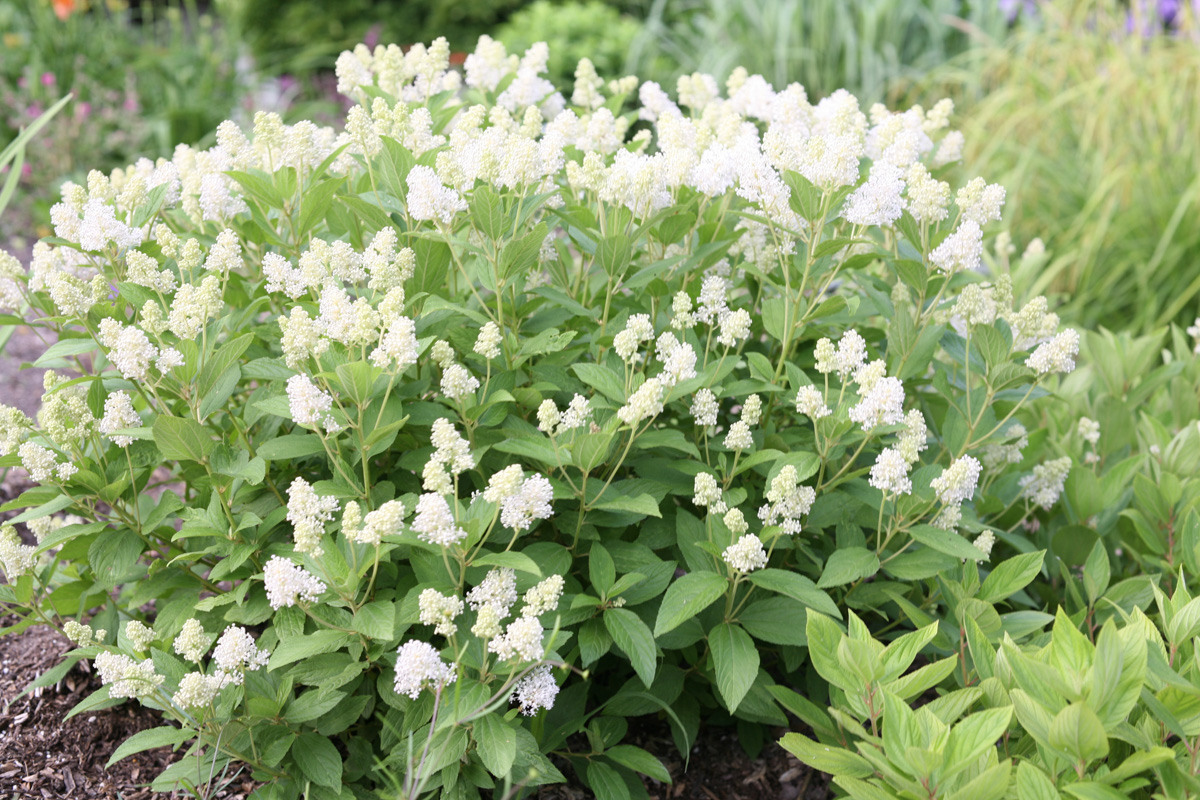
This lovely little woody plant took its common name New Jersey Tea during the Revolutionary War when its leaves were dried to make a popular black tea substitute. Valued even more for its ornamental qualities, New Jersey tea is a low-growing, rounded woody shrub clothed in vibrant green, oval shaped leaves. Numerous fluffy white flower clusters are borne early to mid summer, and add an airy, whimsical element to the landscape. Typically found in sandy prairies and rocky hillsides, New Jersey tea is widespread and thrives in average, well-drained garden soils. It is very tough and tolerates harsh, dry conditions. Great applications include flower beds to add structure, naturalized plantings as a specimen, or as a perennial companion.
Details
Hardiness Zone:
Blossom Color:
White to Cream
Growth Habit:
Shrubby
Max Height:
3'
Texture:
Recommended Spacing:
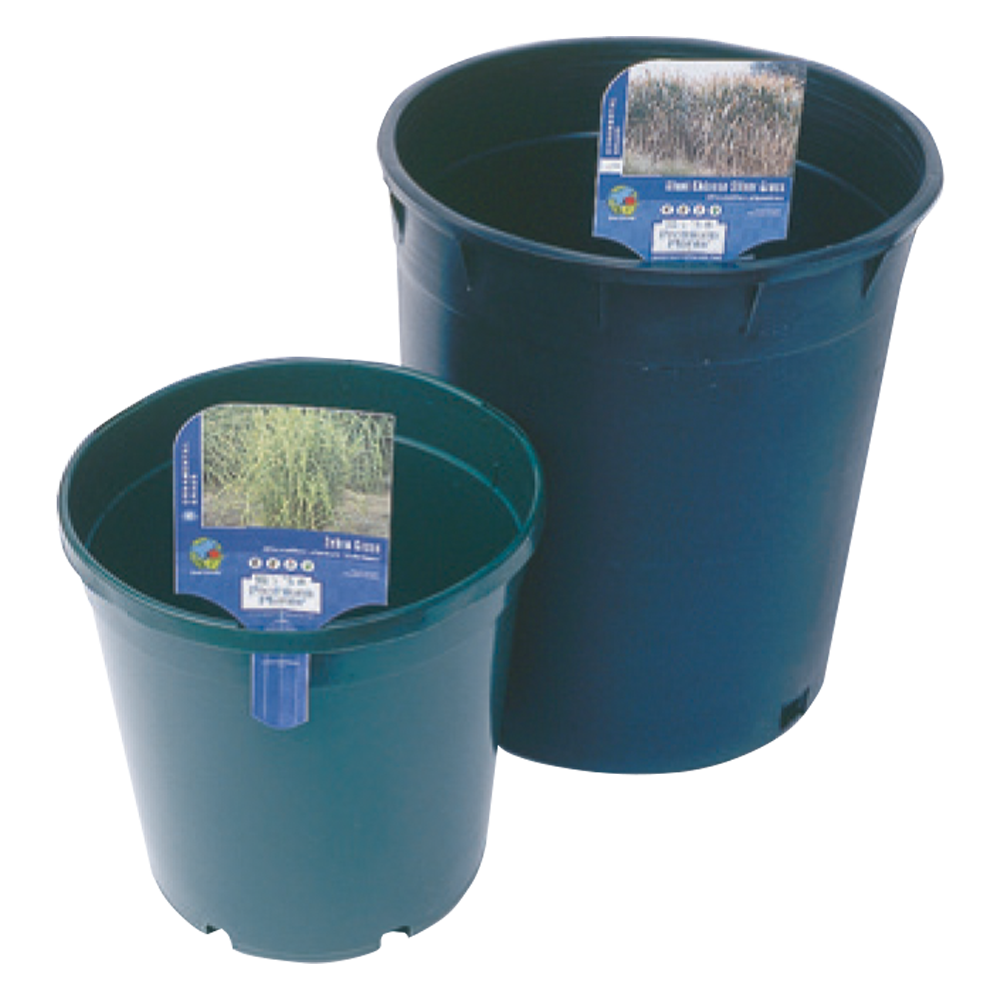
We sell this plant in these containers:
Special Characteristics







Features
This lovely little woody plant took its common name New Jersey Tea during the Revolutionary War when its leaves were dried to make a popular black tea substitute. Valued even more for its ornamental qualities, New Jersey tea is a low-growing, rounded woody shrub clothed in vibrant green, oval shaped leaves. Numerous fluffy white flower clusters are borne early to mid summer, and add an airy, whimsical element to the landscape.
Landscape Value
Typically found in sandy prairies and rocky hillsides, New Jersey tea is widespread and thrives in average, well-drained garden soils. It is very tough and tolerates harsh, dry conditions. Great applications include flower beds to add structure, naturalized plantings as a specimen, or as a perennial companion.
Care
Watering:
New Jersey Tea is very drought tolerant and typically only needs watering during the hottest days of summer.
Fertilizing:
New Jersey Tea needs little fertilizer, but benefits from a single springtime or fall topdressing (about 1 inch deep) of organic compost or well rotted leaves. Alternatively, a springtime application of a slow release fertilizer with a 3-1-2 ratio (such as a 15-5-10) can be applied at a rate of about 10 pounds per 1000 square feet.
Pruning:
New Jersey Tea is a deciduous plant (nonevergreen) and does not require pruning. It is perfectly acceptable to allow the dropped leaves to decompose and nourish the soil.